Day Cycle and Saves in Frozen Ship
Work hours, night danger, morning saves, and planning each expedition.
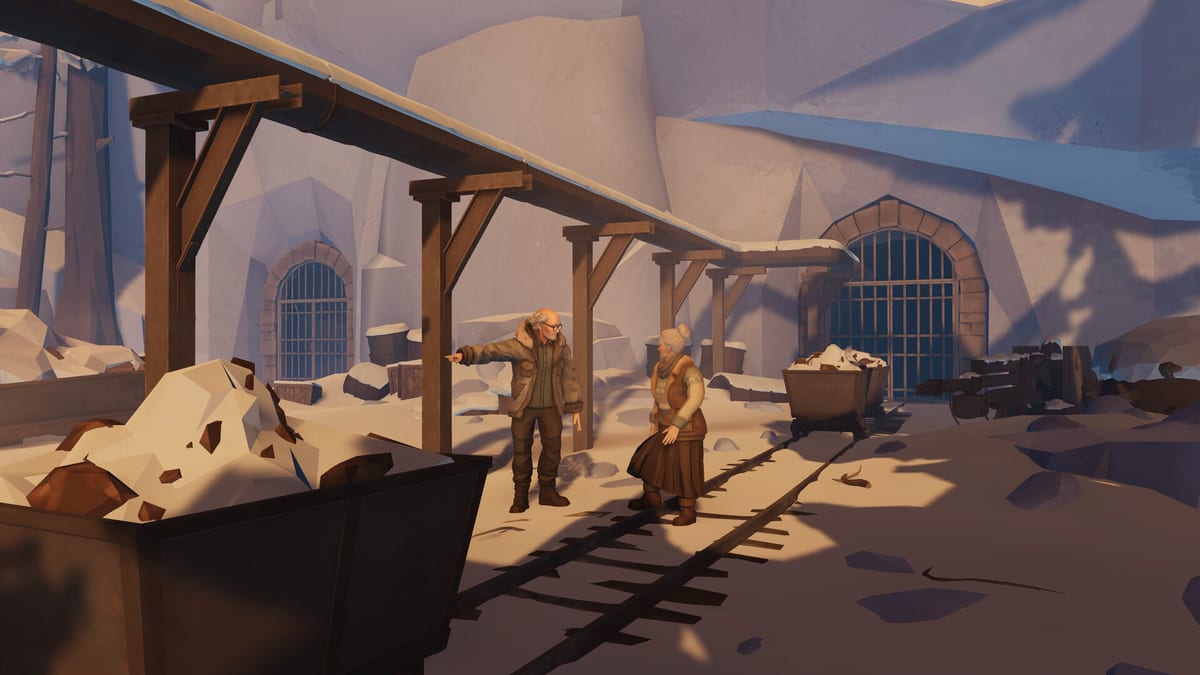
Every Frozen Ship run is structured around a repeating day that looks calm on paper and punishing in practice. Nionetix anchors the loop to a moving steam fortress, roughly twenty crew members, and a procedural frozen wasteland you cross toward a promised safe region. Early Access on Steam for Windows PC begins August 7, 2026. Single-player only—you alone schedule labor, choose travel, and decide when to risk another hour outside.
Understanding when the day starts, when work ends, and when the game saves is as important as knowing how to craft an axe. This guide explains the captain’s clock, night danger, save rhythm, and how to plan expeditions without losing progress or people.
The work day — roughly 7:30 a.m. to 6:00 p.m.
Preview and demo accounts describe a formal work window from about 7:30 in the morning until 6:00 in the evening. That frame is not a suggestion—it is the safe band for outdoor labor, scavenging, and long actions like felling trees or stripping ruins.
Morning opens with assignment. Before you step off the ship, crew need slots for cooking, crafting, building, research support, onboard maintenance, and outbound gathering. The work day clock starts whether you are ready or not; idle unassigned crew burn the same hours as a well-planned roster. See Work Assignments for slot strategy.
During daylight you act in first-person while parallel labor continues aboard and in the field. Actions consume hours: previews repeatedly note that one tree can take an hour or more, not a quick animation. The ship keeps crawling forward while you work, which ties the day cycle to Return to the Ship navigation.
Afternoon is the danger zone. Captains who treat 5:00 p.m. as “plenty of time” often finish a long action at 6:30 and find themselves outside after the safe window closes.
Night — lethal cold outside the hull
When evening passes, the wasteland stops forgiving. Official messaging and demo impressions align: crew and captain left outside face lethal cold as overnight temperatures plunge—preview coverage cites lows around −60°F with a personal freezing meter that climbs while you linger.
Night aboard the ship is a different phase:
- Furnaces must stay fed or indoor heat fails and crew freeze even “safely” inside.
- Narrative events fire with frequency scaled to difficulty.
- Hope and morale react to shortages, deaths, and choices made during prompts.
- You review stores, queues, and tomorrow’s assignments.
Survive the Cold covers thermal systems in depth. At cycle level, remember: night outside equals run-ending risk; night inside equals management and consequences.
Hospital, kitchen, and workshop upgrades—see Ship Buildings—change how well you recover from bad days, but they do not extend outdoor safety past dusk.
Save timing — often tied to morning
Frozen Ship is not a free-save-at-any-moment sandbox in the way some survival games are. Preview players report that saves frequently align with the morning transition—effectively bookmarking each new work day rather than every footstep in the snow.
Practical implications:
| Moment | Save relevance | Captain takeaway |
|---|---|---|
| New morning | Common save anchor | Yesterday’s choices are committed |
| Mid-expedition | Limited manual freedom | Do not rely on reload to fix dusk mistakes |
| After bad event | May inherit morning checkpoint | Difficulty spikes feel permanent |
| Before risky push | Plan resources, not reload scumming | Build Priority reduces need to revert |
Treat each morning as a contract: assignments you set and expeditions you launch determine the next save boundary. If you send the captain on a greedy afternoon route, you may not get a forgiving undo until tomorrow—or at all, depending on build settings at launch.
Cross-read How to Play for the six-beat loop; saves reinforce that loop by punishing unstructured days.
Planning expeditions around the clock
Strong captains plan outbound and return before they leave the ramp:
- Set assignments first — heat and food bottlenecks beat exploration excitement on tight days.
- Pick one primary goal — wood haul, ruin strip, or trade prep—not all three unless time allows.
- Estimate action hours — if a task costs one hour, stack no more than you can finish before turn-back time.
- Track ship movement — the base moves along the trail while you gather; static mental maps fail.
- Define a hard turn-back — e.g., leave ruins by mid-afternoon regardless of loot left behind.
Use Expedition Checklist as a printable discipline aid. Pair with Exploration when you push into new procedural fragments.
Example conservative plan for Early Access week one:
- Morning: assign two gatherers to wood, one cook, one builder on furnace-adjacent upgrade.
- Captain: craft or confirm axe, gather within short radius for two hours max.
- Turn-back: no later than mid-afternoon regardless of inventory.
- Evening: furnace audit, food check, hope readout, hold travel if stores are thin.
Aggressive plans exist for experienced captains, but the day cycle punishes optimism before your ship has surplus heat and meals.
How the day cycle connects to story and difficulty
The New Beginning story mode follows a fixed narrative skeleton with procedural surroundings—layouts change, beats do not. Events during night phases scale with difficulty: lower settings add flavor; higher settings turn hesitation into crises. Events and Captain Laws explains choice outcomes.
After the campaign, survival mode continues the journey without the same story arc—day structure remains, but narrative pressure shifts. See Survival Mode for post-campaign expectations.
Common day-cycle failures
Sleeping through assignment — You exit with empty slots; the work day wastes labor. Fix: morning menu ritual.
One more crate at dusk — Captain dies outside; hope collapses. Fix: Return to the Ship discipline.
Assuming manual save before risky fight — Morning-bound saves may not help. Fix: reduce risk via gear and crew health.
Indoor complacency — Everyone “inside” but furnaces empty; crew still perish. Fix: evening fuel routine from Survive the Cold.
Travel on a thin day — Pushing into new territory after a bad afternoon compounds tomorrow’s shortage. Fix: hold days per Build Priority.
Frozen Ship rewards captains who respect the clock. Learn the rhythm in Getting Started, refine it in Demo Walkthrough, and track patch changes on Early Access Roadmap if Nionetix adjusts hours or save rules after launch.
Frequently Asked Questions
Quick answers to the most common questions.
What are the work hours in Frozen Ship?
Preview accounts describe a work window from roughly 7:30 a.m. to 6:00 p.m. Outdoor gathering and long actions fit that band; evening is for return, ship management, and night events.
When does Frozen Ship save progress?
Players report saves often tying to the morning transition at the start of a new work day rather than constant manual saving mid-expedition. Plan days knowing reload options may be limited.
What happens if I am outside after dark?
Captain and crew left in the open face lethal cold as temperatures plunge overnight. Demo and official messaging treat dusk as a hard safety deadline.
Should I travel the ship every night?
Not necessarily. After evening management you choose to push into new procedural territory or hold to build and recover hope. Thin stores favor hold days.
Does the day cycle change in survival mode?
Core day structure—morning assign, daylight work, night events—continues after the New Beginning campaign. Strategic goals shift more than the clock itself.