Frozen Ship Crafting Aboard the Expedition Ship
Workshop recipes, materials, and gear that survive the frozen wasteland
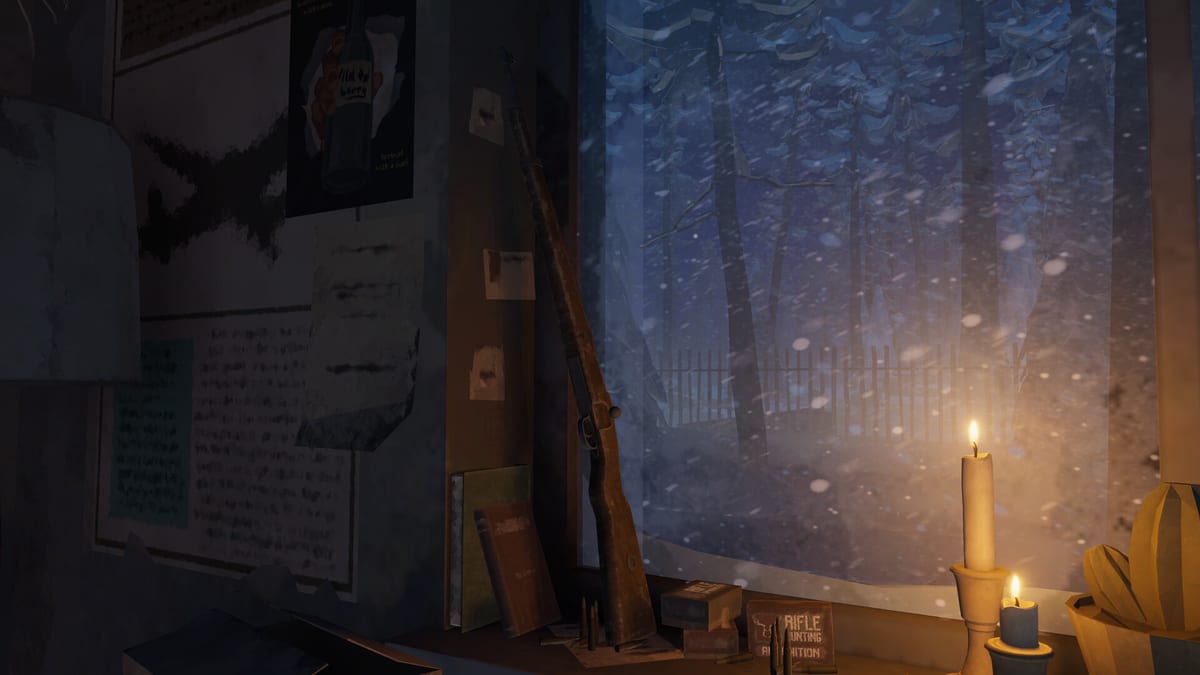
Crafting in Frozen Ship turns the procedural wasteland into something you can wear, wield, and bolt onto the hull. Nionetix blends first-person survival with economic strategy: what you craft aboard the moving ship determines how far you walk from the gangplank, how fast you return before nightfall, and whether the crew of twenty trusts the mission after another failed outing. Early Access on Steam (August 7, 2026, Windows PC) will refine exact recipes, but the strategic loop is already clear from previews — gather, fabricate, expend, repeat.
Where crafting happens
The workshop is the primary crafting hub, supported by storage and — later — research unlocks. Some items may also require kitchen processing (preserved food) or medical crafting (medicine), so crafting is never only one room. Start with the buildings guide if your workshop is still a blueprint.
Crew assigned to crafting need stable inputs. If miners and hunters are still mapped in work assignments, the workshop starves even when recipes are unlocked.
Material families
Expect materials to fall into overlapping categories drawn from survival and trade loops:
Salvage and scrap
Ruins and wreckage near exploration routes yield metal, wire, fabric, and generic components. These feed basic tools, ship repairs, and early weapons. Prioritize items that reduce trip time — sleds, climbing gear, brighter lamps — before cosmetic upgrades.
Organic and hunting goods
Official roadmap mentions weapon and hunting updates. Pelts, meat, bones, and chemicals likely feed food preservation, clothing layers, and ammunition. Until hunting fully lands, treat meat as both a kitchen input and a potential crafting reagent.
Trade and faction imports
Merchants and settlements sell rare parts you cannot grind locally. Budget cash and barter goods from the trade guide before you hard-lock a build that needs imported alloy or electronics.
Research-gated components
Advanced fabrication should require technologies from the lab — otherwise research would be optional. Plan a split stockpile: expedition consumables you burn weekly and lab inputs you hoard for tier jumps.
Crafting for expeditions vs. the ship
Split your queue mentally:
Personal expedition kit — warmth layers, weapons, medical pouches, navigation tools. Tie this directly to Survive the Cold and the expedition checklist. Craft these before pushing into new blizzard biomes.
Ship infrastructure — furniture, machines, upgrade modules, ammunition for deck defense if applicable. These items raise baseline Hope and reduce daily micro.
Economic goods — products meant purely for sale. Only craft these when kitchen and hospital queues are idle; starving the crew to make export widgets destroys Hope faster than trade profits recover it.
Recipe pacing through Early Access
Day 1–3: tools that let you carry more loot home before the sun sets. Reinforce Return to the Ship timing with faster movement or extra insulation.
Week 1: weapons and medical supplies sized to your hospital tier. Pair with health and illness so you know which consumables matter.
Mid-game: upgrade benches and batch production. Batch sizes reward organized storage — see Ship Hub for how storage rooms prevent crafting gridlock.
Late Early Access: research-linked gear that changes settlement diplomacy or unlocks new expedition zones. Sync with build priority so you are not crafting endgame rifles in a freezing galley.
Crew skill and laws
Crafting throughput scales with who is assigned and how healthy they are. Sick crafters slow every queue; reassign them after the hospital clears infections. Captain laws about work hours or rationing can indirectly throttle crafting — cross-check crew management before you blame recipes.
Failures that look like bad RNG
Players often misdiagnose crafting problems:
- Missing bench tier — recipe visible but grayed out until workshop upgrade.
- Hidden ingredient — preserved food or chemicals stored in kitchen, not general storage.
- Zero assigned workers — queue exists but nobody is on shift.
- Expedition loot not deposited — items still on the captain’s backpack.
Fix staffing and storage before you farm another duplicate rare drop.
Single-player economy
There is single-player only mule to carry ore. You alone walk material from the crash site to the hold. Efficient crafting means short, repeatable routes documented in exploration notes, not marathon trips that risk missing nightfall.
Updates and new recipes
Roadmap beats mention loot locations and hunting expansions. When patches drop, scan the release timeline for recipe additions before you mass-craft obsolete gear.
Related pages
- Ship buildings — workshop and support rooms
- Research — tech gates on advanced items
- Build priority — when to upgrade crafting infrastructure
- Trade — buying what you cannot craft yet
- How to Play — day loop that feeds the workshop
Frequently Asked Questions
Quick answers to the most common questions.
Do I craft on expeditions or only on the ship?
Previews center crafting aboard the mobile base in workshop and related rooms. Field maintenance may exist for consumables, but your main production line is on the ship.
What materials should I hoard first?
Prioritize metals, fabric, and medical inputs that unlock warm clothing and tools. Rare trade goods matter once merchants appear — see the trade page.
Can crafting fail or waste materials?
Early Access details are not final. Plan surplus stocks either way; losing one batch should not zero your expedition budget.
How does crafting interact with research?
Research unlocks advanced recipes and bench tiers. Open the lab after basic food and workshop queues stay stable.
Should I craft for profit or survival first?
Survival and Hope items first — meals, medicine, warm gear — then export goods when crew needs are covered.