Frozen Ship Manage Hope and Crew Morale
Keep twenty survivors believing the expedition can still succeed.
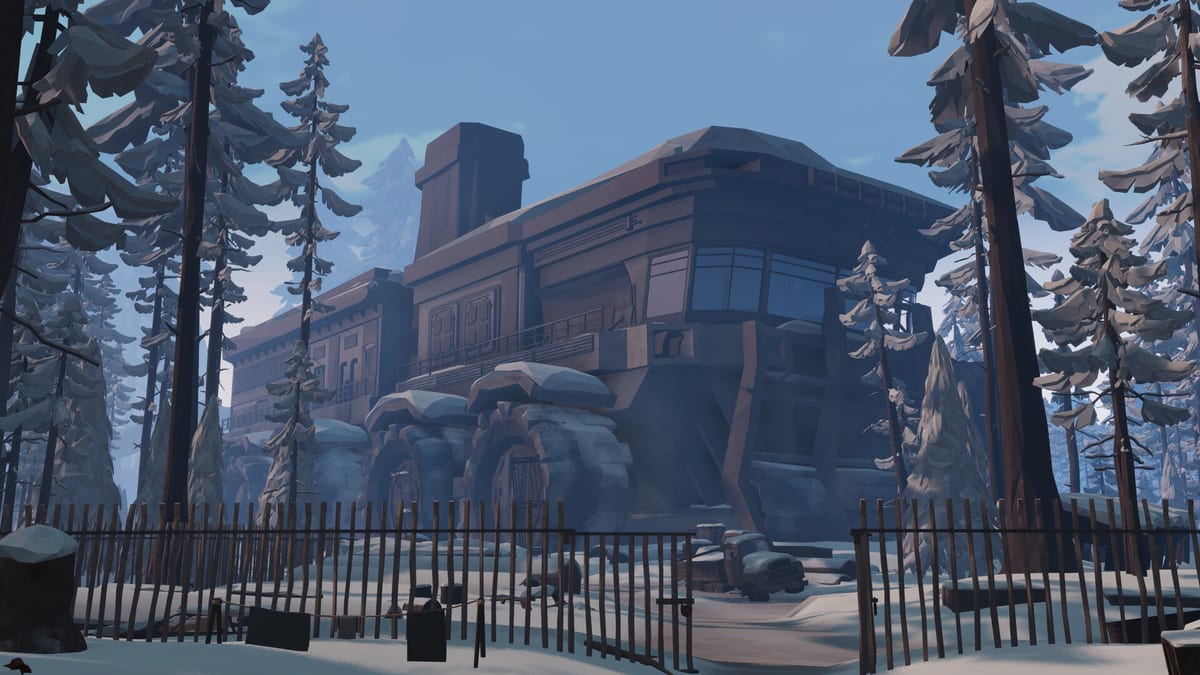
Hope in Frozen Ship is not flavor text—it is the morale backbone of a twenty-person crew crossing a frozen world inside a moving steam fortress. Nionetix frames every captain decision as affecting belief in the mission. When hope falters, previews describe cascading dysfunction: wasted labor, narrative stress, and the feeling that leadership failed even if the furnaces still burn. Early Access arrives August 7, 2026 on Steam for Windows PC as a single-player narrative survival experience.
Managing hope means managing visible security: food, heat, safe returns, and honest progress toward settlement.
What hope represents
Mechanically, hope aggregates crew trust that the expedition will succeed. Thematically, it is the answer to a harsh question: why keep walking when the world is dead?
Inputs that raise or preserve hope in demo and preview play:
- Successful evenings with everyone aboard and adequately heated.
- Reliable meals and visible food surplus after scarcity.
- Completed upgrades crew can see—new warm space, better galley, safer quarters.
- Story beats and events that deliver workers, medicine, or supply windfalls.
- Captain decisions that avoid preventable death.
Inputs that drain hope:
- Crew deaths, especially overnight cold casualties indoors.
- Workers lost outside after dusk.
- Hunger streaks when assignments miss food jobs.
- Repeated travel pushes while the ship is under-built.
- Ignoring injuries and illness—see Health and Illness.
Hope sits beside Survive the Cold and Return to the Ship because thermal and navigation failures become morale failures within a day.
Morning assignments as morale policy
Work Assignments are hope management disguised as logistics. Crew who watch unassigned neighbors while they toil lose trust; crew who see empty cooking slots during hunger lose trust faster.
Assignment principles:
- Cover survival floors first — wood for furnaces, cooks for meals, med support if anyone is injured.
- Match jobs to named strengths when the UI exposes specialties—Crew Management tracks roster detail.
- Avoid vanity projects during hope crises—finish one heat upgrade before decorative expansion.
- Pair outdoor work with safe return—assign fewer distant scavengers when you personally know the day’s radius is tight.
Morale recovers faster from completed promises than from ambitious plans.
Visible wins beat hidden optimization
Players optimize research trees in silence; crews respond to what they experience. Prioritize upgrades with immediate felt impact:
| Upgrade type | Morale effect |
|---|---|
| Furnace reliability | Less overnight fear |
| Galley and meal quality | Direct daily comfort |
| Quarters and rest space | Recovery after hard days |
| Medical capacity | Trust after injuries |
| Storage clarity | Less perceived waste |
Use Build Priority and Ship Buildings to sequence wins during recovery weeks.
Narrative events: windfalls and blows
Official materials note difficulty-scaled events—some add variety, others deliver crushing setbacks. Random positive events (extra workers, supply caches) can bail out a careless captain once; relying on them is a strategy for losing runs.
Captain posture toward events:
- After a windfall — bank resources into buffers instead of immediate travel push.
- After a blow — call a hold day: no distant exploration, extra food, one guaranteed build completion.
- On higher difficulty — treat every event as potentially lethal; keep fuel and food floors higher.
Story progression remains consistent while procedural Exploration changes surroundings—hope swings still land emotionally because losses feel personal.
Death and crisis recovery protocols
Preventable death is the steepest hope drop. Use a three-day recovery template:
Day 1 — stabilize
- No travel push.
- Maximize heat and food assignments.
- Captain short loop only—Return to the Ship discipline.
- Treat wounded via Health and Illness.
Day 2 — demonstrate competence
- Complete one queued upgrade that crew notice.
- Cook surplus if materials allow.
- Optional trade for comfort goods at Settlements and Factions if en route—Trade.
Day 3 — resume cautious progress
- Small exploration radius expansion.
- Evaluate travel only if hope trend is flat or rising.
Skipping recovery and traveling immediately often converts one death into three.
Economic pressure and fairness
Frozen Ship blends economic strategy with survival. When barter prices sting or factions demand tough terms, crew interpret outcomes as leadership competence. Do not strip food for export deals during hope valleys unless the trade saves the run (critical component, medicine, irreplaceable fuel).
Long-term, research and crafting efficiency reduce perceived scarcity—Research and Crafting are morale investments with delayed payoff.
Captain behavior crew implicitly reads
You are one worker among twenty, but previews treat the captain as symbolic. Patterns that correlate with stable hope:
- Returning before dusk consistently.
- Personal gathering when stores dip, not only ordering others.
- Building before boasting—queue projects you can finish.
- Holding travel after near-disasters.
Patterns that correlate with hope collapse:
- Long solo marathons while assignments starve galleys.
- Pushing into new fragments with empty fuel buffers.
- Ignoring the hope UI until narrative warnings fire.
Integrating hope into the daily loop
From How to Play:
- Morning — assignments reflect hope state (recovery vs expansion).
- Day — radius matches risk tolerance.
- Evening — verify heat and meals before research vanity.
- Night — read event outcomes as morale signals.
- Decision — push travel only on positive or neutral hope trend.
Track official tuning changes on Early Access Roadmap—hope formulas may shift during Early Access.
Related guides
- Getting Started — early habits that prevent first hope crater.
- Survive the Cold — indoor deaths destroy trust.
- Demo Walkthrough — first-run morale pacing.
- Guides Hub — full index.
No multiplayer, no codes—hope is purely your campaign management. Community sentiment and reviews: Review Overview.
Frequently Asked Questions
Quick answers to the most common questions.
What lowers hope fastest in Frozen Ship?
Preventable crew deaths—especially overnight cold casualties and workers left outside after dusk—followed by hunger streaks and pushing travel while the ship is under-equipped.
Can hope recover after a bad day?
Yes, with hold days that prioritize heat, meals, safe returns, and one visible upgrade completion. Avoid immediate travel pushes until the trend stabilizes.
Do story events affect hope?
Events can help or hurt depending on difficulty and choices. Treat positive events as buffer opportunities and negative events as signals to consolidate.
Is hope separate from food and fuel?
It is its own meter, but food, heat, and safety are the main drivers. Fixing logistics usually fixes morale over several days.
Should I pause exploration when hope is low?
Shorten captain radius, fill survival assignments, and complete a visible ship upgrade before resuming aggressive scouting or travel.